Marketing · Stories · Expeditions
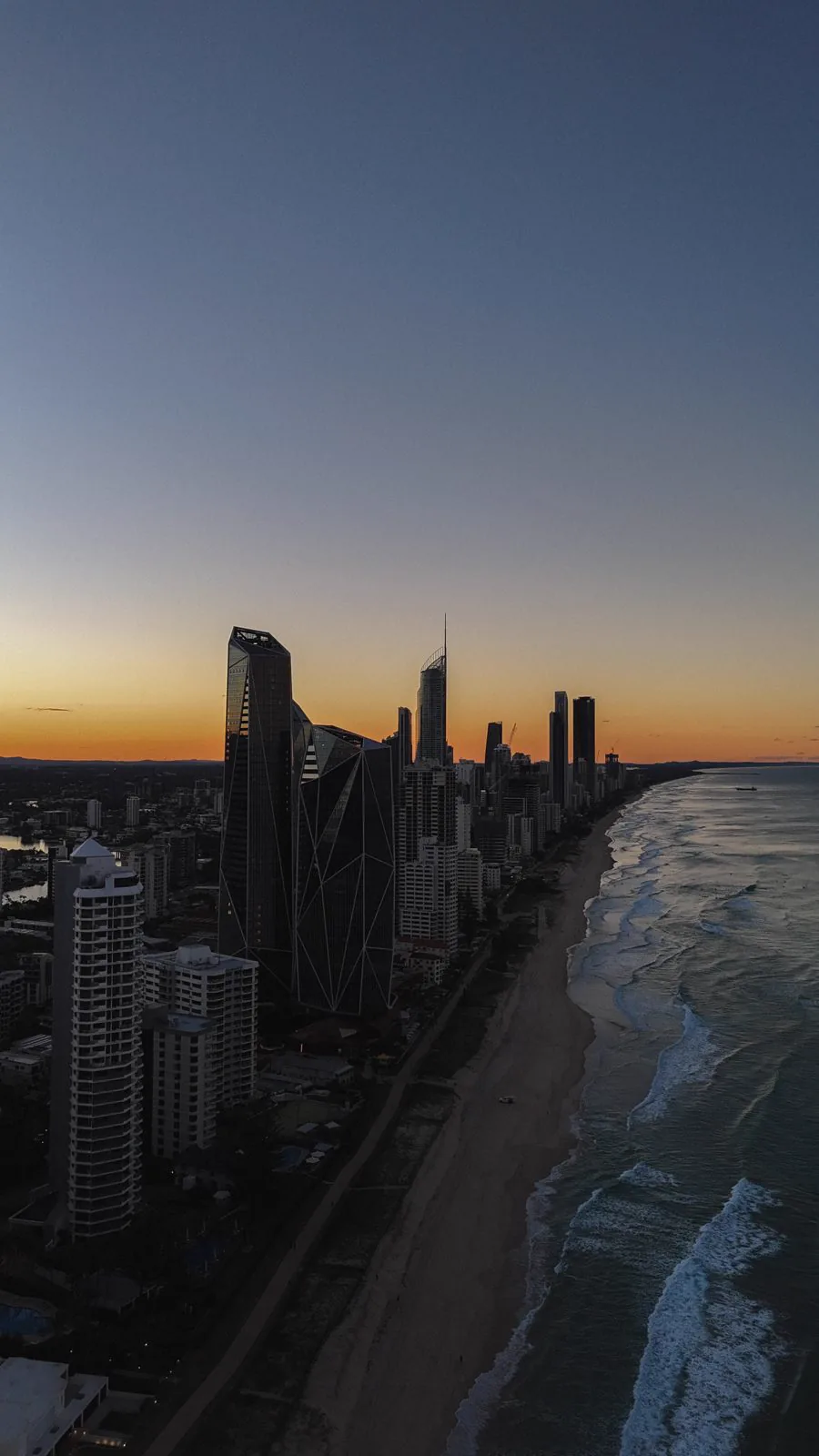
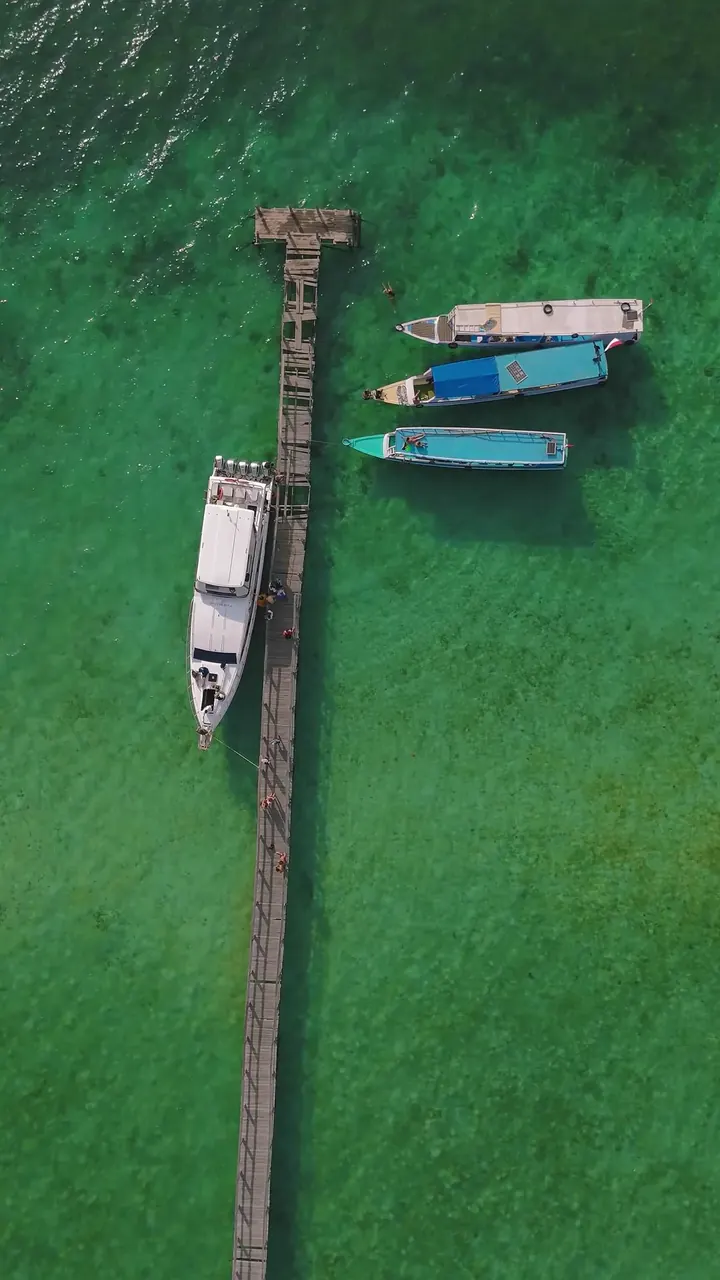
We are a two-person studio that left Argentina and never really stopped moving. We film local businesses — hotels, lodges, boat tours — as if they were memories worth keeping.
This is our route. Six stages. Not a destination — a way of moving through the world. Read it like a journal. If it sounds like yours, write to us.
Everything begins in the familiar. There is comfort here — and limitation.
We grew up in a city on the coast of Argentina. The kind of place where the wind comes off the Atlantic and smells of salt and distance. We always knew the horizon was a door. We just hadn't learned to open it yet. The first camera we ever picked up was pointed at the sea. We were trying to photograph the feeling of wanting to leave.
You don't know if you'll fly. But you jump anyway.
The drone went into the water on the second day. We had been in Australia for three weeks, sleeping in the van, shooting whatever the road gave us. We pulled it from the surf, dried the circuit board with a camp stove and a lot of hope. It worked. We have never since been afraid of equipment. Gear is just gear. The leap is the thing.
You don't control the wind. You learn how to use it.
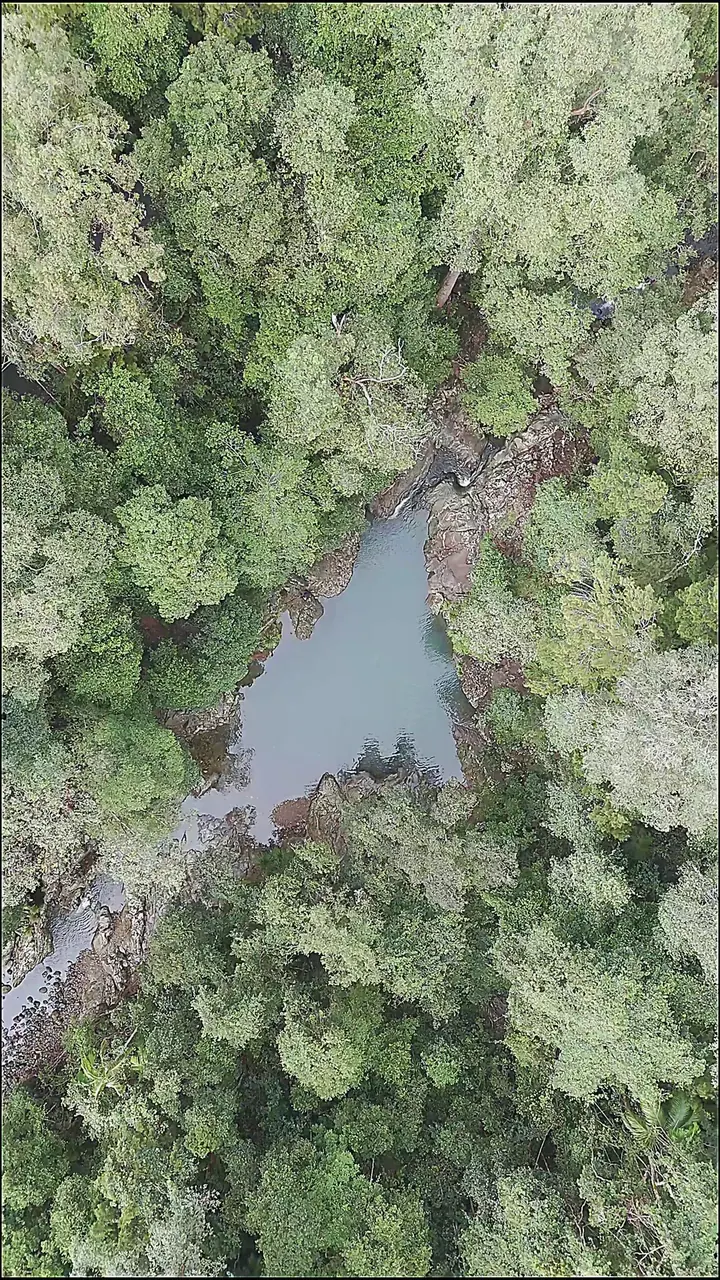
Springbrook taught us patience. The light there moves on its own schedule — not sunrise, not golden hour, but something older. We learned to arrive before we were ready, to set up in the dark, to trust that the forest would give us what we needed if we stayed quiet long enough. Every client we have ever shot for has been a version of that forest. Patient. Specific. Generous to the ones who wait.
You stop fighting the environment. You move with it.
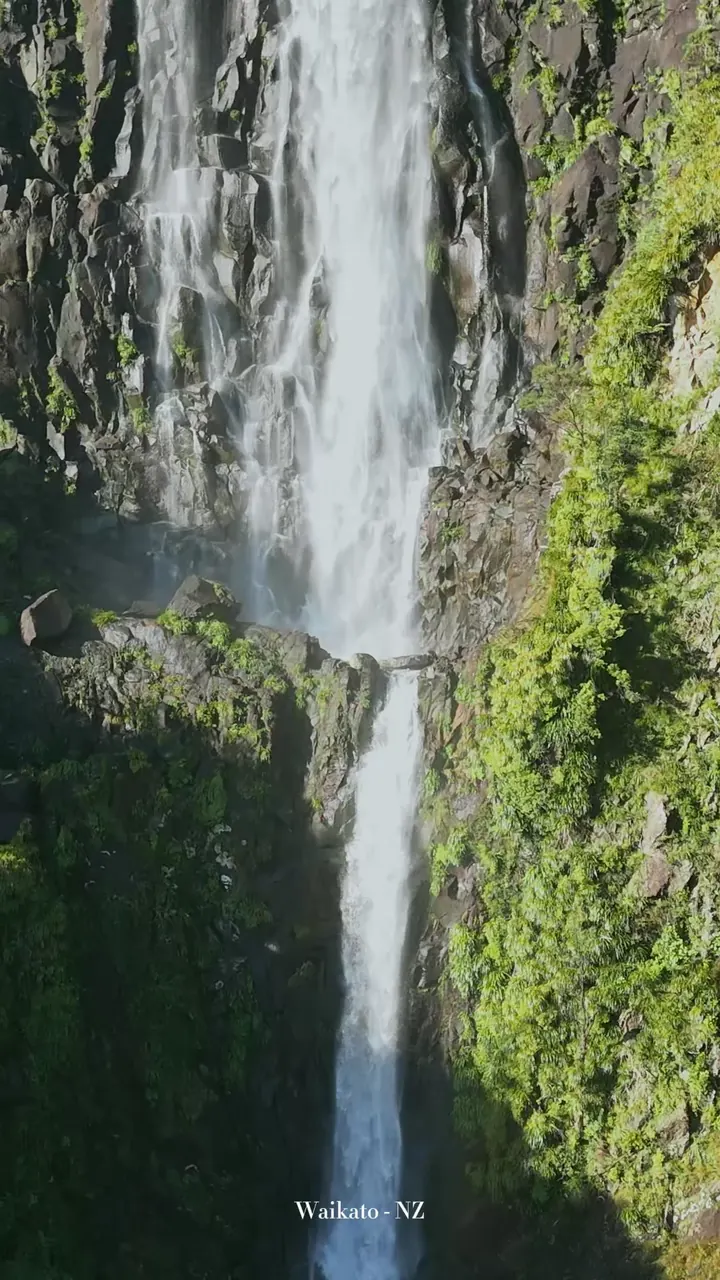
There is a moment in every project — usually on the third day, always in good light — when the work stops feeling like work. The drone is an extension of thought. The camera moves the way you mean it to. Bauti flew Bridal Veil on a single remaining battery and held perfectly still while 55 metres of water fell past the lens. We did not speak. That silence is the whole point of what we do.
There is no final destination. Only routes, landscapes, and encounters.
Western Australia from above looks like a planet that hasn't decided what it wants to be yet. Red earth, white salt, turquoise coast, then nothing — hundreds of kilometres of nothing — and then a town of six hundred people with the best coffee we've ever had. This is the part of the route we love most. The part where the map runs out and the landscape keeps going.
You don't come back the same. The nest is no longer what it was.
Julian Rocks sits three kilometres offshore from Byron Bay. Underwater, sharks circle the coral in slow, unhurried arcs — the way things move when they are completely at home. We went in with a GoPro and came back with something we hadn't planned: a film about belonging. About what it means to be native to a place. We are still thinking about it. We always will be.
The Condor Club is a small circle of travellers, explorers and people in motion who contribute to the archive from different corners of the world.
The camera doesn't matter. Being there does.
Each frame is born on a real road: kilometres, weather, silence, fatigue, waiting. Stories found far from the familiar.
Send us one image, one short note about where and why, and one link to more of your work. We read every submission. Most get a reply. A few become the next number on the roster.
Hand-numbered drone portraits from the route. Limited editions of thirty, archival paper, signed on the back, shipped in a hard tube from wherever we are that month.
A few photographs. A short story from the road. The next print release before it goes public. Sometimes a quiet film we made for ourselves. No tracking, no funnel, no sell. Just the dispatch.
A monthly podcast. We sit down with the people whose places we filmed — owners, locals, the ones who stay when we leave. No edits, no music bed. Just the wind and the talking.
Mia runs a seven-cabin retreat on the northern edge of Lake Wanaka. We spent four mornings on the dock with her, talking about why she stopped advertising and what it changed.