Expedition · New Zealand
Eight chapters from south to north
Cold Light
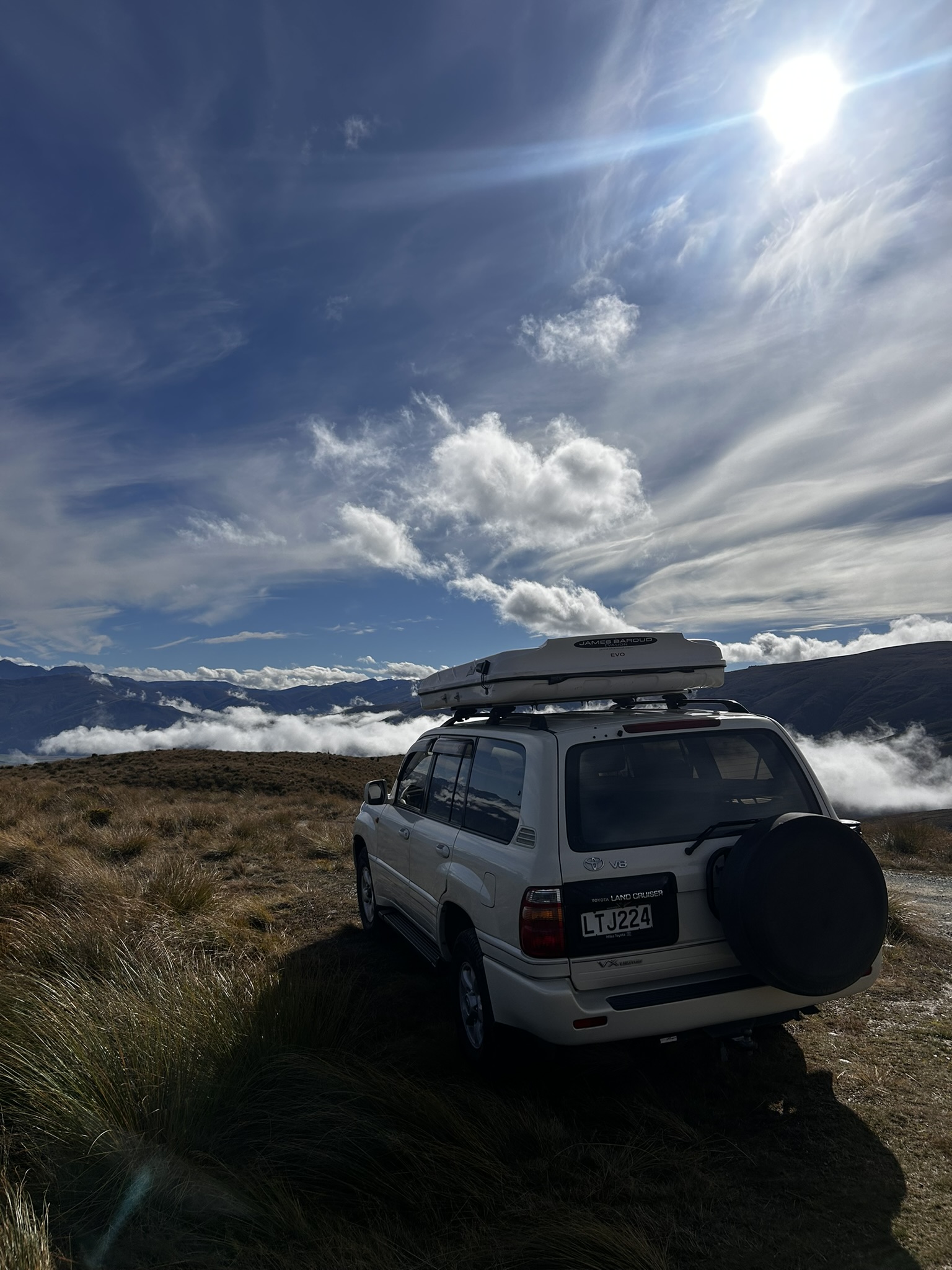
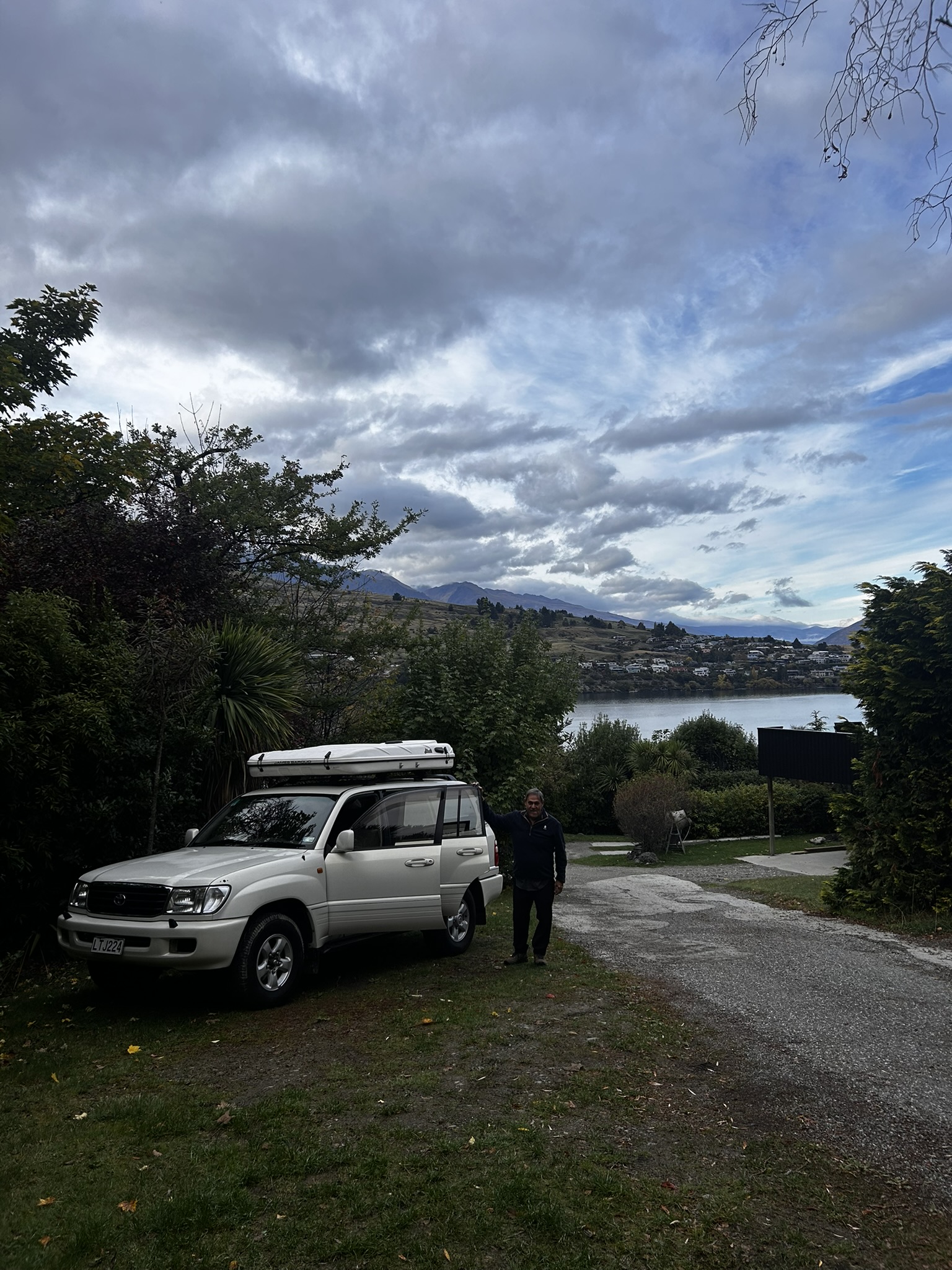
We landed in Queenstown with winter already on top of us. Not the Argentinian winter — a different one, quieter, that does not announce itself when it walks in. The first morning we walked without speaking much, measuring the air with our hands.
We picked up the Land Cruiser on a side street and packed it slowly. It is hard to hurry when everything outside seems to be waiting for something. Three degrees, low fog, the lake still asleep.
In Arrowtown we shot almost nothing. An old street, a café whose owner asked where we were from. We came to New Zealand to learn how to wait — and the first day was a class on that.
«Here the light does not set — it cools.»
Into the Fjords
We left Te Anau at five in the morning with the rain already settled in. The road to Milford is not a road — it is a green tunnel, with walls of wet stone and a river along the side that never stops talking.
We arrived at the fjord with forty-two kilometres an hour of wind and the camera shaking against my chest. Every waterfall you saw was a new one: the rain invented them and erased them within minutes.
We did not shoot what we wanted to shoot. We shot what the weather allowed us — which turned out to be more honest. Some landscapes will not be tamed, and that is exactly what makes them worth looking at.
On the way back we did not speak. It is hard to speak when the place has already said everything.
«You do not film the fjord. The fjord films you.»
Above the Clouds
We set out for Roy's Peak with headlamps and a thermos. Three hours up in the dark, uphill the whole way, no trick to it.
We hit the ridge just as the sun was thinking about showing up. Below us, a sea of clouds. Above, only us — and nobody else for kilometres. Felipe set the camera with frozen fingers and shot ten minutes of something hard to explain.
There is a kind of silence that only exists when you are physically tired. It is the silence of a body that has stopped complaining. That was the silence of that morning.
«To see well, sometimes you have to climb until it hurts.»
Silence & Altitude
We passed Tekapo at night, the lake too still to look real. The next day we drove into the Aoraki valley with a bad weather report and the sense we were going anyway.
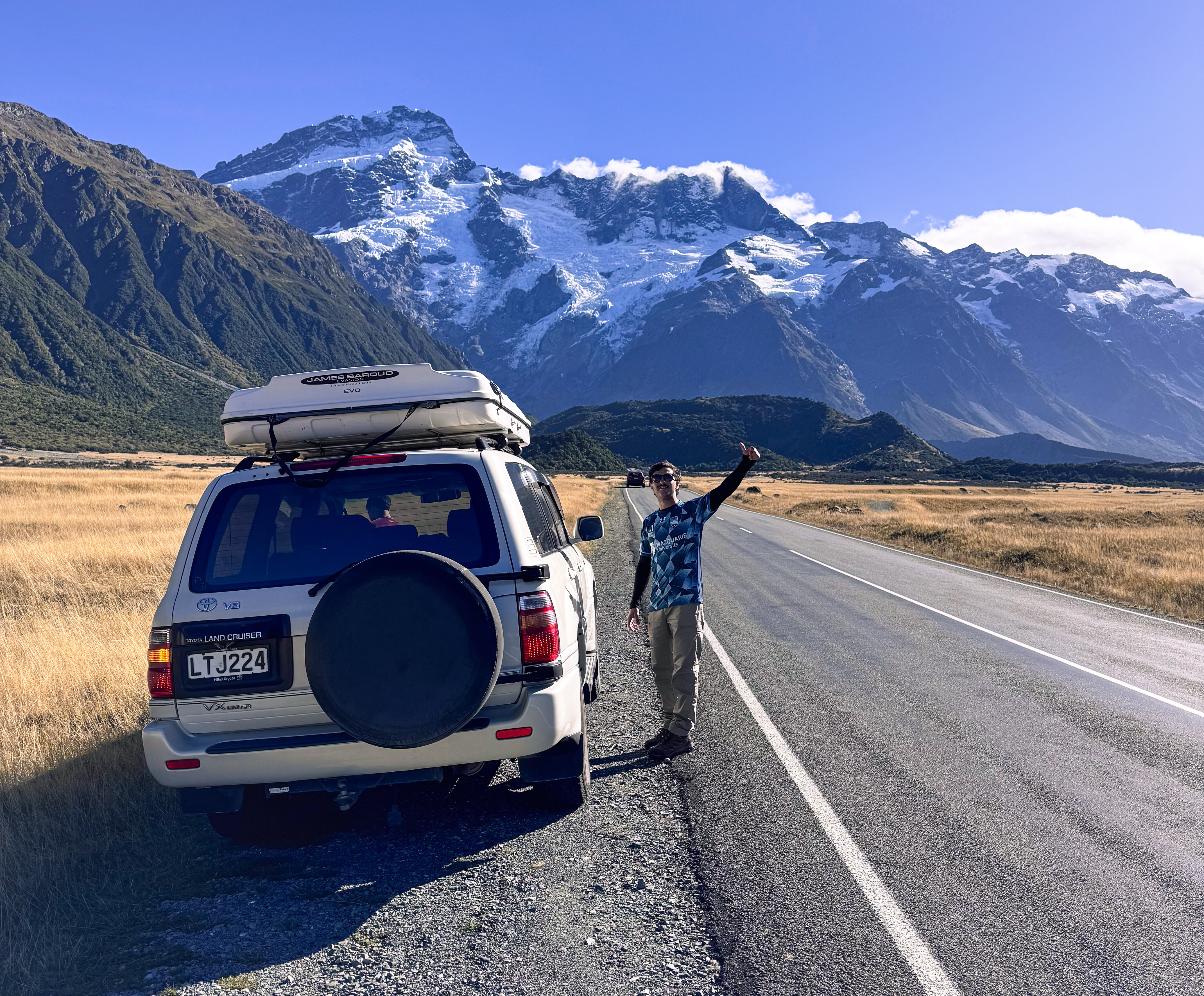
Twenty kilometres in, it broke. Horizontal snow, wind, hundred-metre visibility and dropping. The Land Cruiser was the only reason we could keep going — and even then, at thirty.
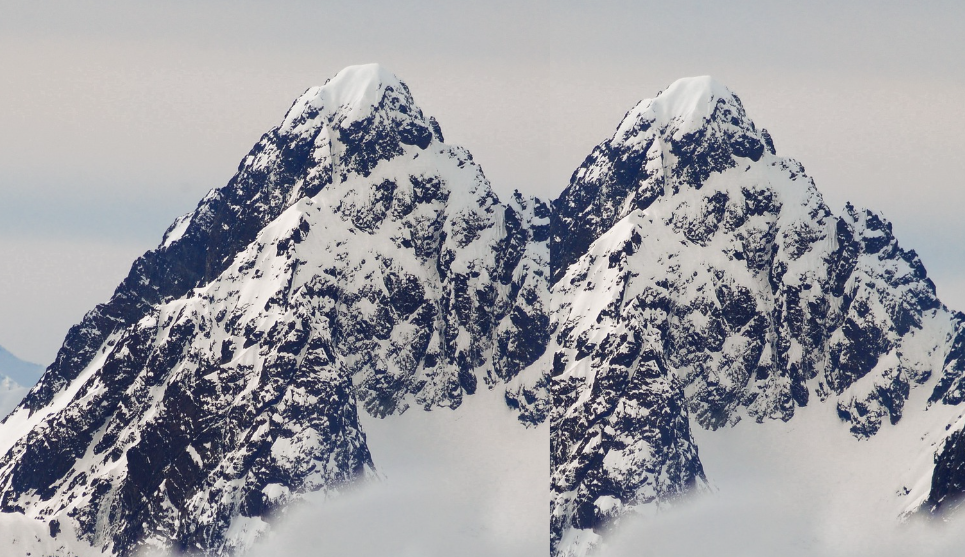
We parked where you could park and waited. Nearly three hours. When it lifted, the mountain was there — huge, white, indifferent. We shot ten minutes. Then the storm came back and pushed us out.
Sometimes the landscape shows you a single page of an entire book. And that page is enough.
«The mountain does not wait for you. It opens a window and closes it.»
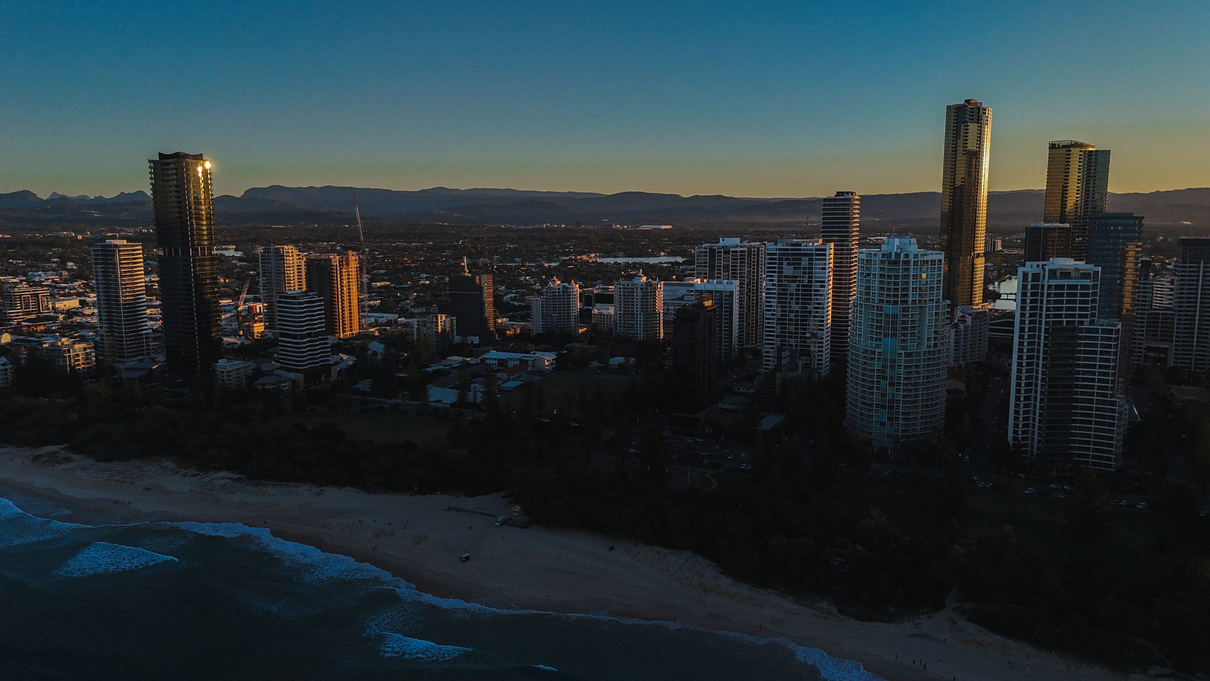
«Between two islands — a channel of dark water and two hours by plane.»
Crossing North
Christchurch was a pause. A city rebuilding itself — fourteen years after the earthquake, still — with the strange calm of places that have already been through the worst.
We sent the Land Cruiser on a ferry. We took a plane: two hours over a strip of dark water, and on the other side, a different country that shared a passport but not much else.
Landing in Wellington felt odd. The south had just ended, and the north had not begun. An hour at the airport that felt like its own chapter.
«Between two islands, a kilometre of dark water. And two different countries.»
Fire Beneath
The north changes the air for real. The first time we stopped in Rotorua we smelled it before we felt the heat: sulphur, steam, something organic you can’t fully name.
We walked Tongariro for a whole day. The ground is hot in several places — literally hot, you want to touch it and you cannot. It is strange to be standing on top of something that has not finished cooking.
We shot the geysers at sunset, when the tourists leave and the steam turns gold. There is something honest about a country that admits it is still alive underneath. Patagonia must have been like this a few million years ago.
«Not every volcano is asleep. Some just let you stand on top of them.»
Waterfalls & Forest Roads
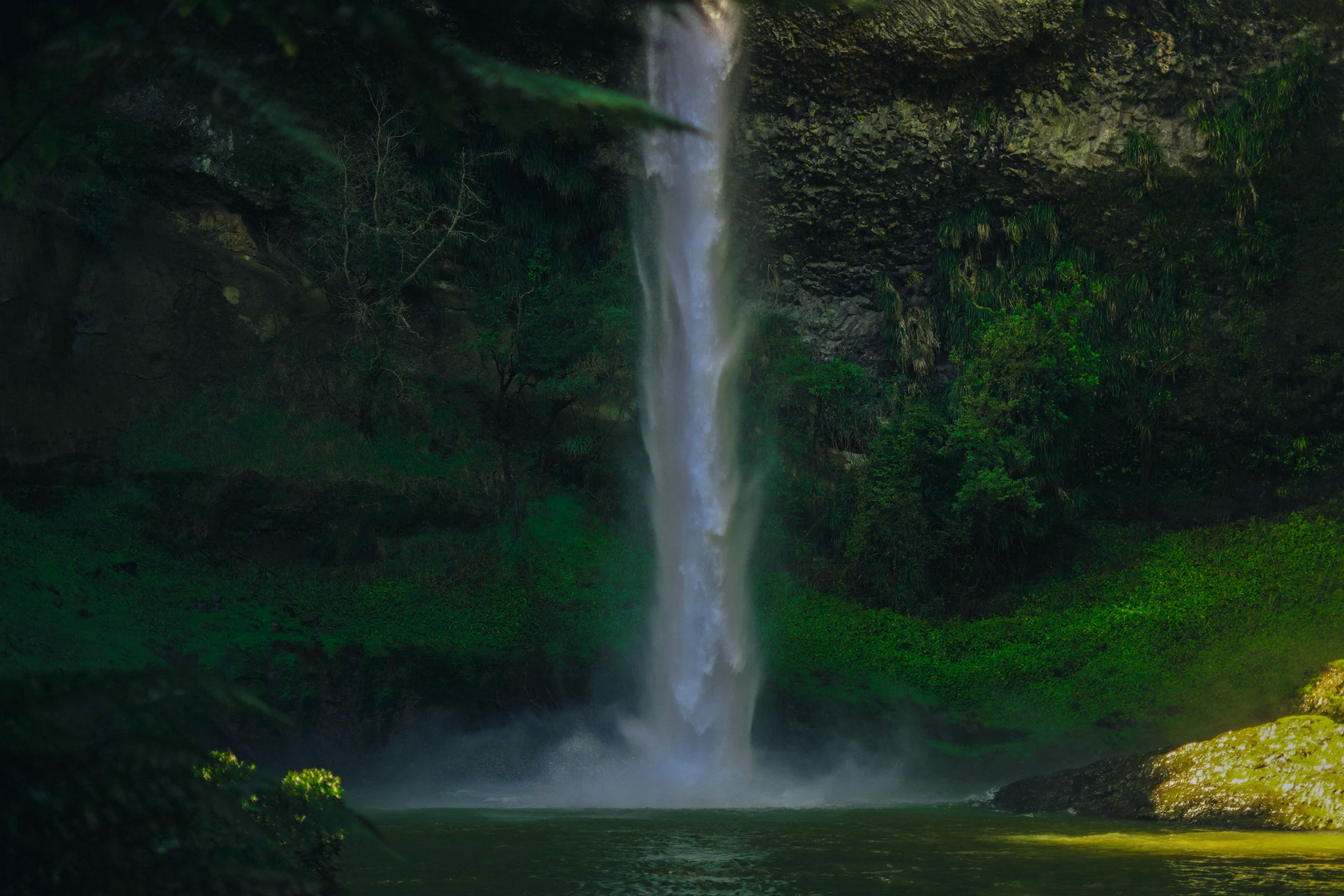
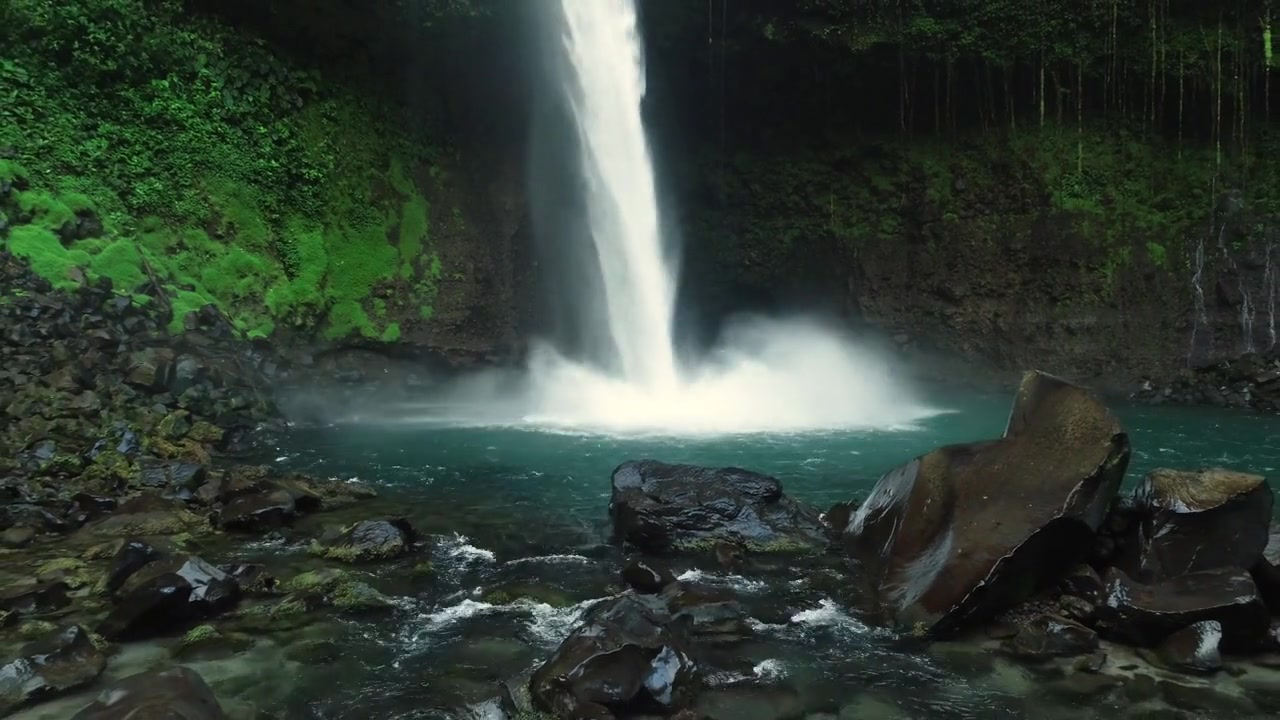
We dropped down to Omanawa on a track that barely exists. The waterfall falls inside a stone gorge and there is no way to shoot it without getting wet. Felipe went in with the camera wrapped in a bag and came back shivering — but with the take.
In Coromandel we drove at dawn up to the Pinnacles. Three hours of walking, a summit you earn, and a light that lasts fifteen minutes. If you sleep in, you miss it all.
The northern forest is another thing — closer, older, wetter. You shoot differently. The camera weighs more. Decisions are made more slowly.
That forest taught us something: hurry does not get in. If you want to get in, you leave it outside.
«Waterfalls do not wait. But the forest gives you time to be wrong.»
Black Sand
Raglan greets you with long waves and a town that decided not to grow too much. We filmed surfing one morning, the side light making the water look like oil.
Auckland was a logistics stop — long showers, charge batteries, eat something that did not come from a pot. The city felt distant. After six weeks on the road, cities look strange from outside.
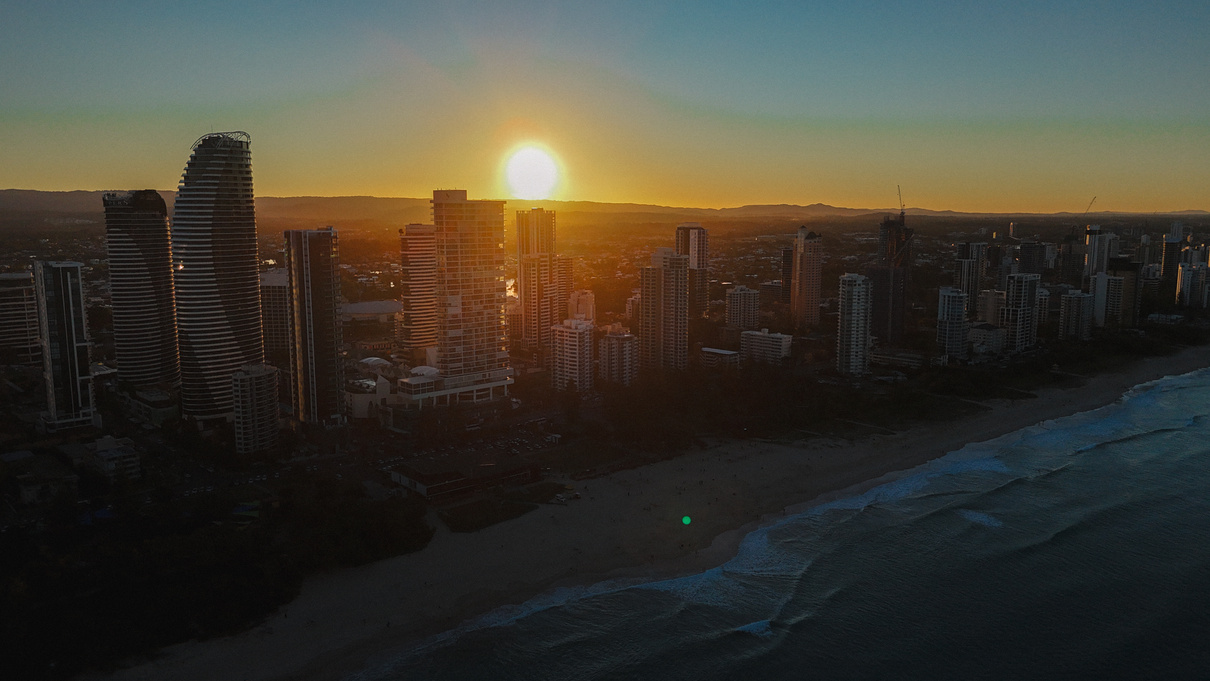
Piha was the end. A black-sand beach that holds the day’s heat late into the night, a cliff to the north, a lighthouse to the south. We sat there until the sun went down. We did not shoot. We did not speak. Some landscapes ask for that.
Then we got back in the truck and drove to Auckland without hurry. New Zealand does not end — you leave it, which is not the same thing.
«Piha felt like reaching the edge of something ancient.»
«Some landscapes are older than language.»
«The road disappeared into the fog long before the mountains did.»
«New Zealand felt less like a country and more like weather.»
«The farther north we drove, the warmer the silence became.»
«Piha felt like reaching the edge of something ancient.»
«The fjord does not show you the landscape — it lends it for a few minutes.»
«You shoot differently when you are cold. Faster decisions, fewer doubts.»
«Snow erases the details first — then the scale.»
«Some countries look painted with two different palettes — and are the same one.»
«The northern steam has a smell. The southern air does not.»
«The Land Cruiser never complained. We did.»
«What the southern road teaches with cold, the northern road teaches with damp.»
«When the weather decides for you, the decisions come out better.»
Ten frames that survived the weather.
«The lake had not woken up yet. Neither had we.»
«In Milford it does not rain on the landscape — the landscape is the rain.»
«Some roads look painted on purpose for the truck.»
«Snow erases the details first — then the scale.»
«Three hours up for ten minutes of light worth the wait.»
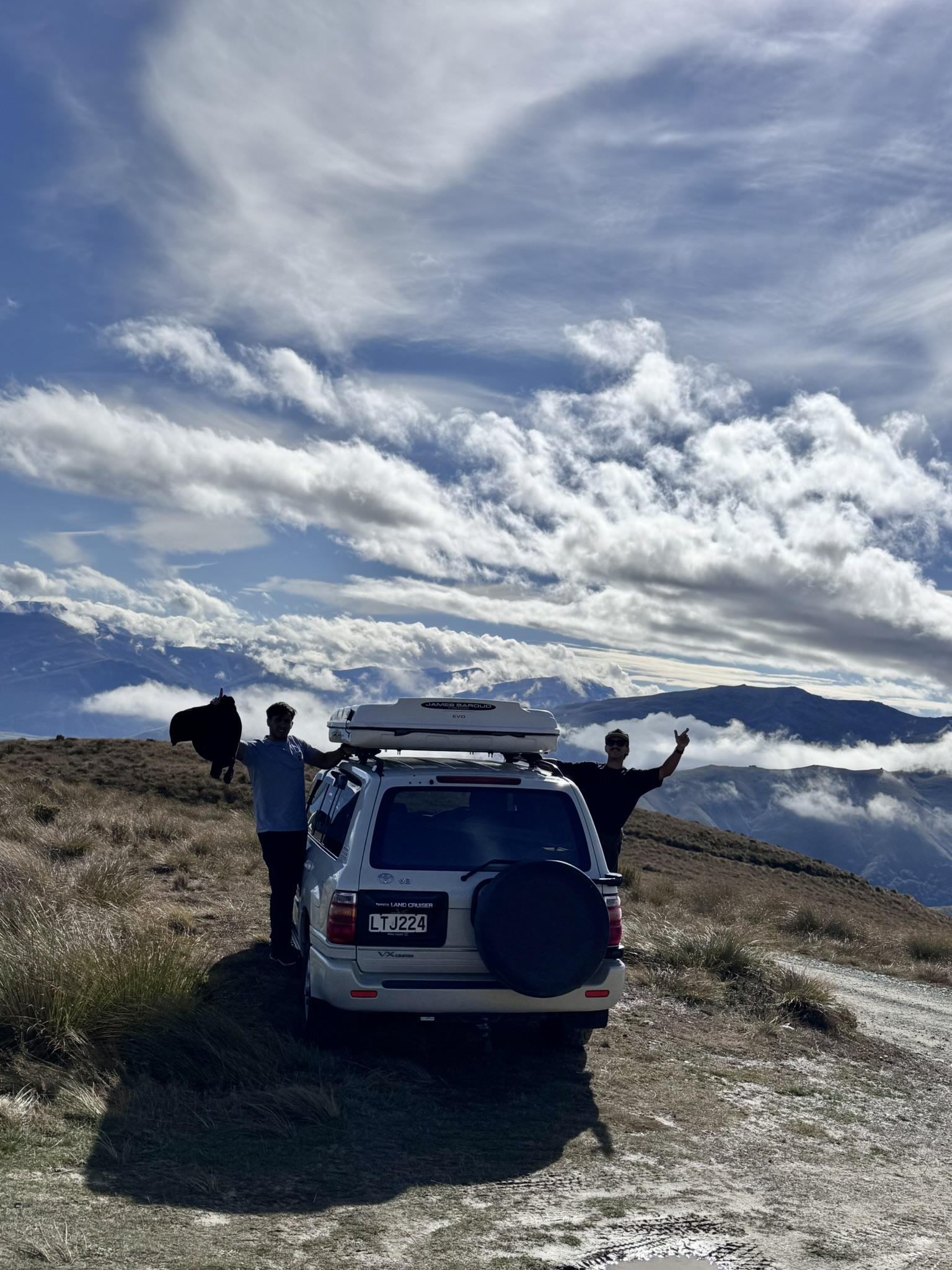
«Three guys, one truck, too much coffee.»
«Beneath the grass, the country is still warm.»
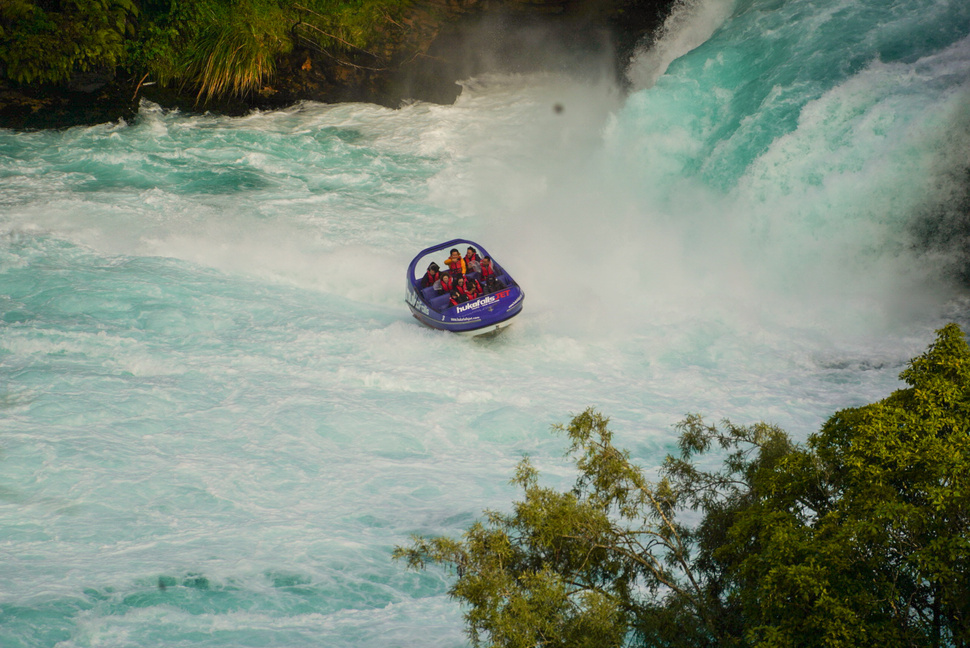
«Fifty-five metres of water that asked no permission to fall.»
«Black sand holds the day’s heat — late into the night.»
«Two hours by air — two different countries of the same country.»
«Piha was the end. For now.»