- IHumidityGold Coast → Brisbane
- IINorthboundNoosa and the coastal road
- IIIBetween TidesByron Bay and the NSW coast
- IVConcrete & DistanceSydney
- VRed EarthWestern Australia
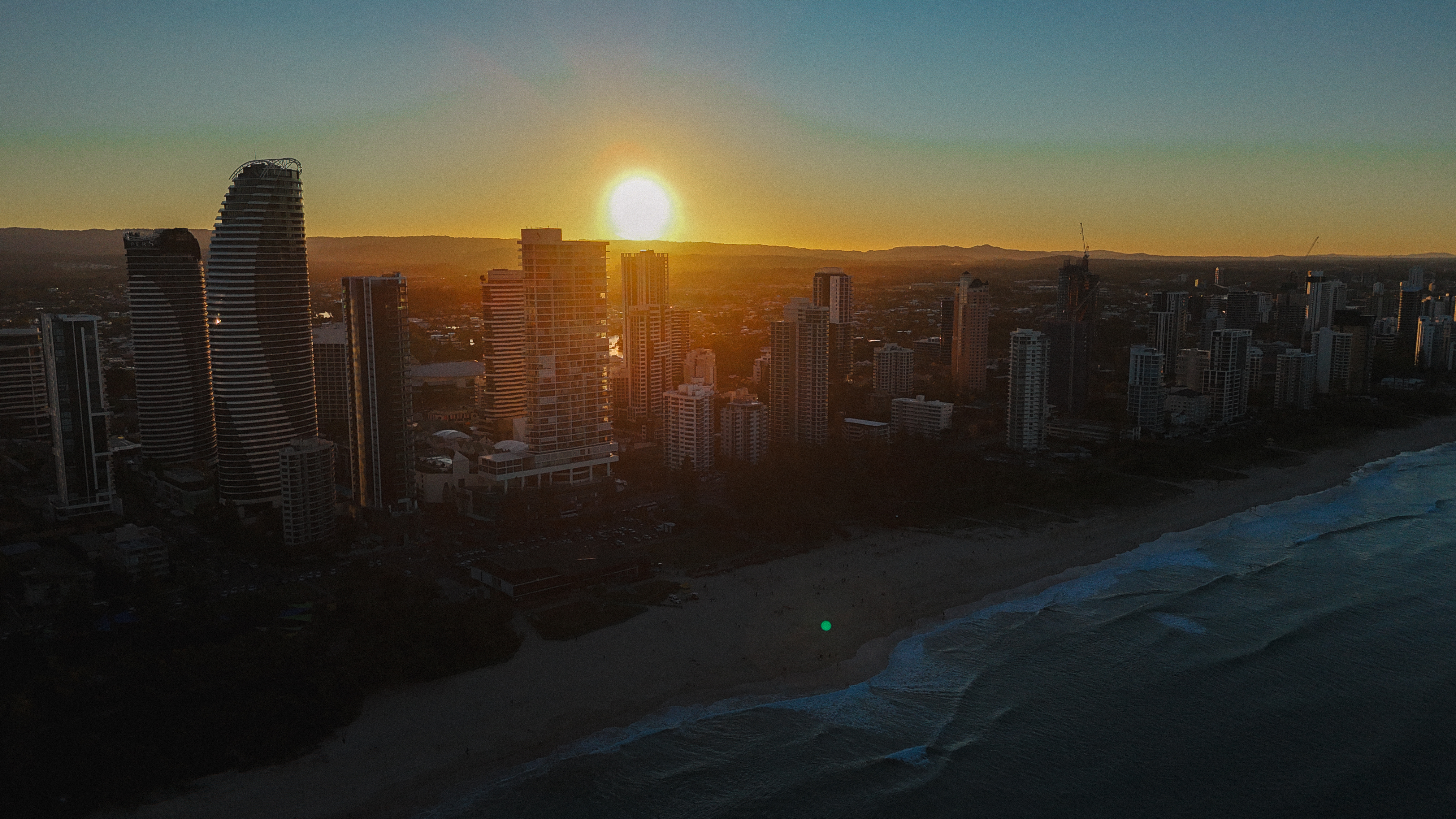
We landed with our hair still smelling like Buenos Aires and within a few hours our shirts were stuck to our backs. Australia greets you like that — with heat that has texture, air that has weight, light that is hard to focus.
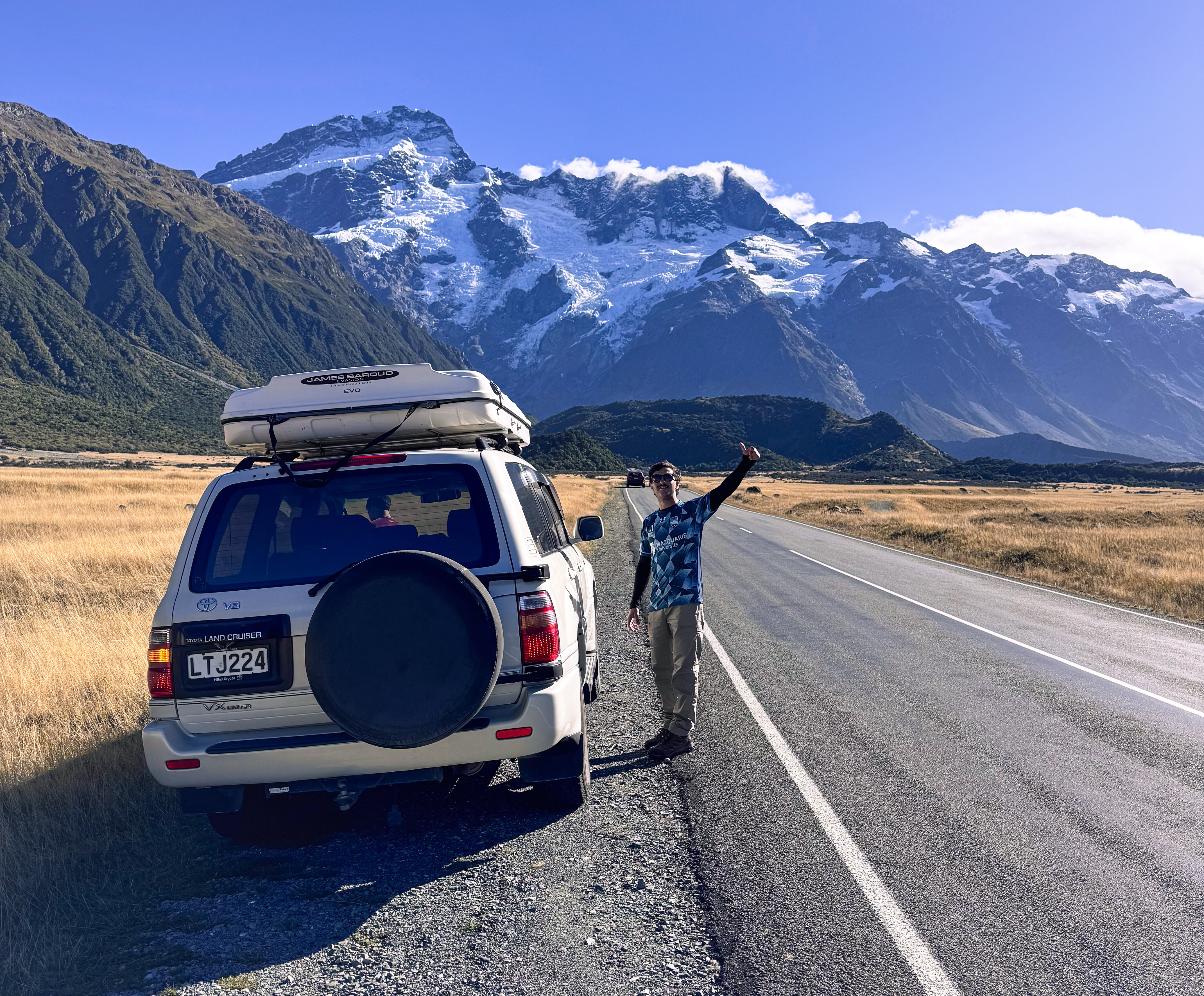
We drove the Land Cruiser north with no real plan. What guided us those first days was not a map: it was where the wave was breaking, where the shade was, where a crooked sign said «Coffee».
We filmed very little. Looking was all we could manage. Humidity forces a slower pace — and in the end, that is also a way of working.
«Some countries you understand with your head. This one you have to understand with your skin.»
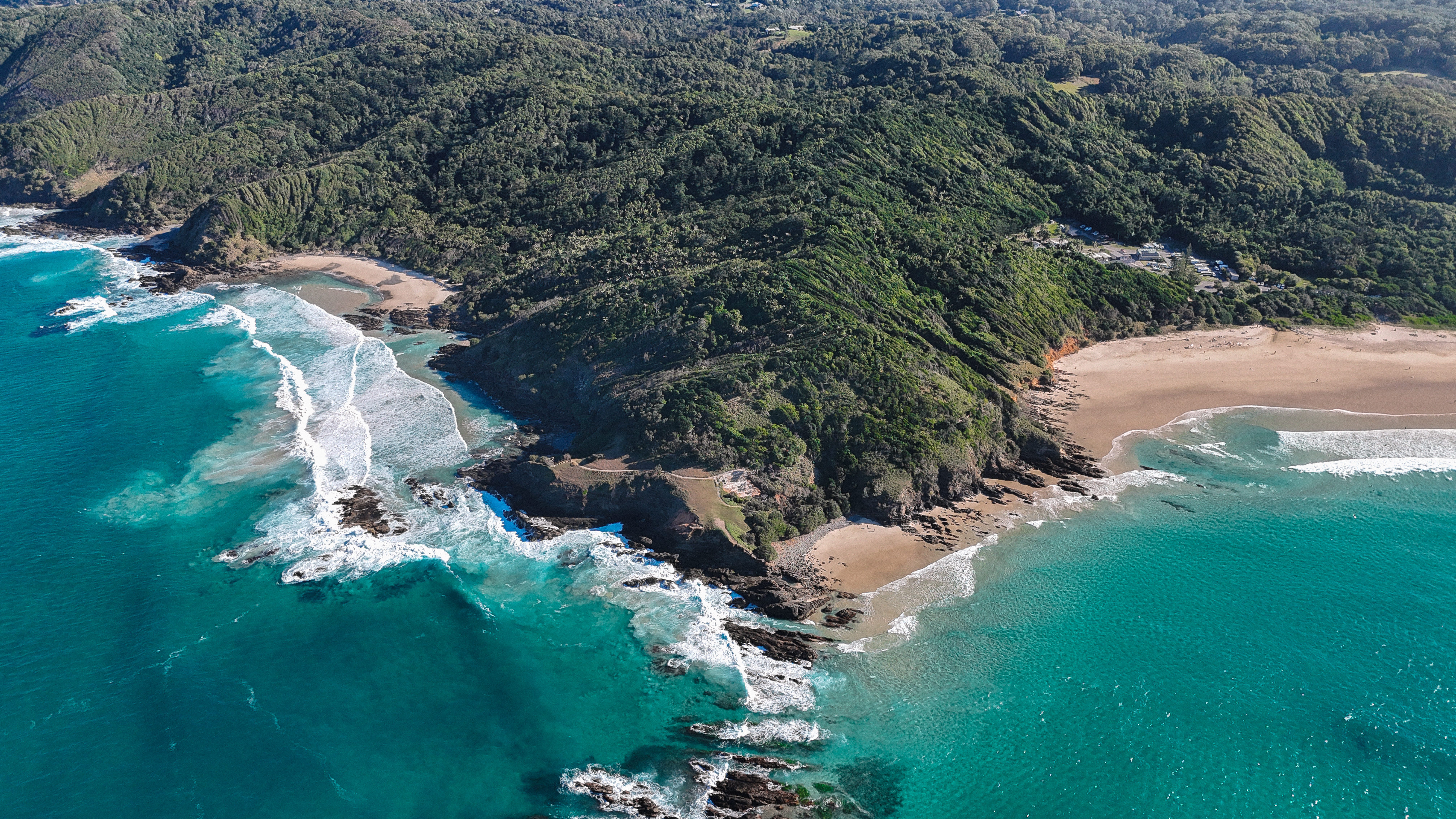
There is a point, heading up the coast, where the suburb ends and something else begins. There is no sign. It is more of a feeling: the sky takes up more room, the cars get older, and the eucalyptus replaces the garden.
Noosa kept us longer than we had planned. We flew the drone at first light to see the forest still asleep — a green sea with the same texture as the other sea, the blue one, right beside it.
Filipo drove most of the leg. I shot from the window. It is a kind of work hard to explain to anyone who has not done it: you are filming, but you are also just going.
«North is not a cardinal point. It is a decision you sustain for weeks.»
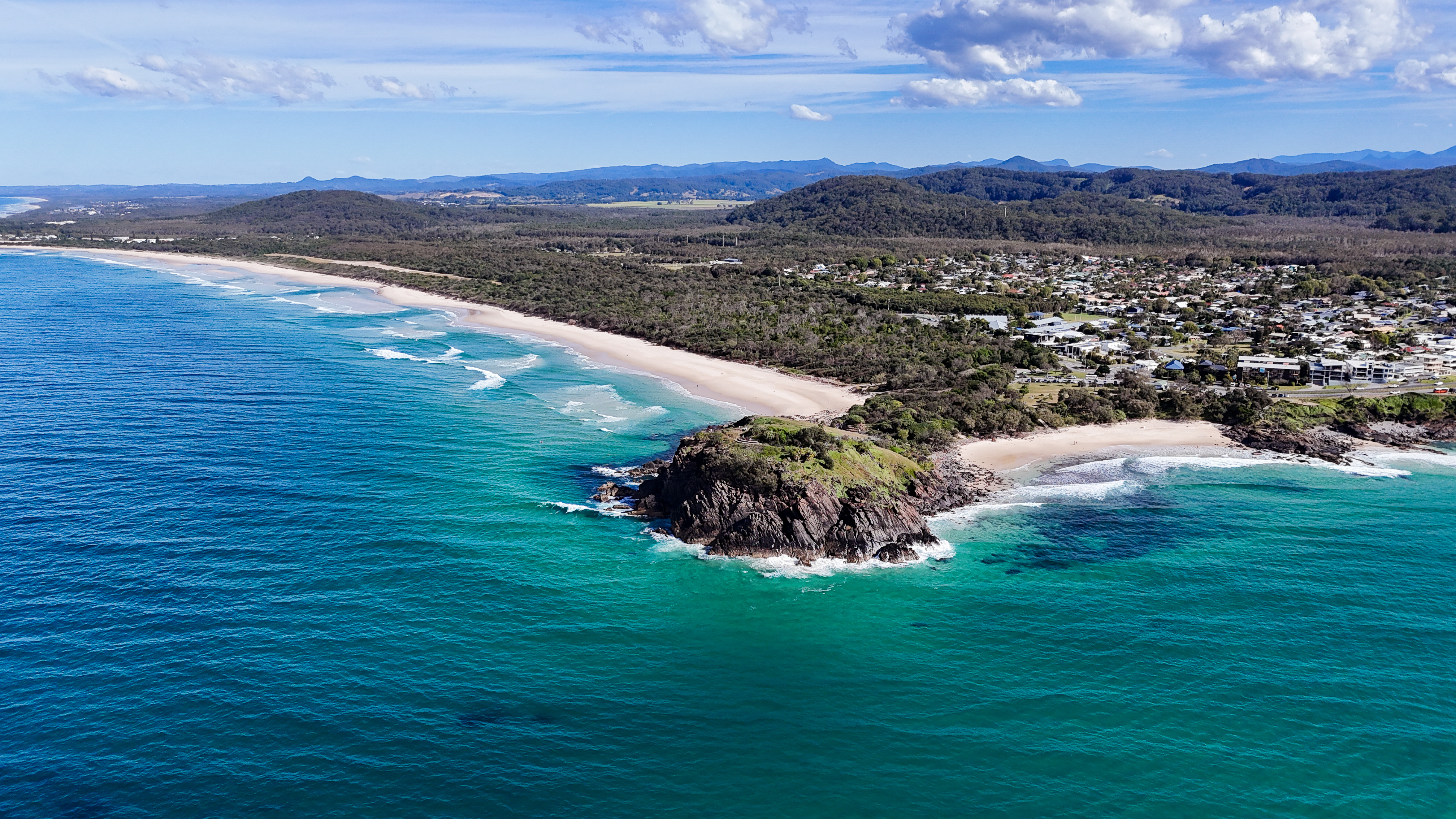
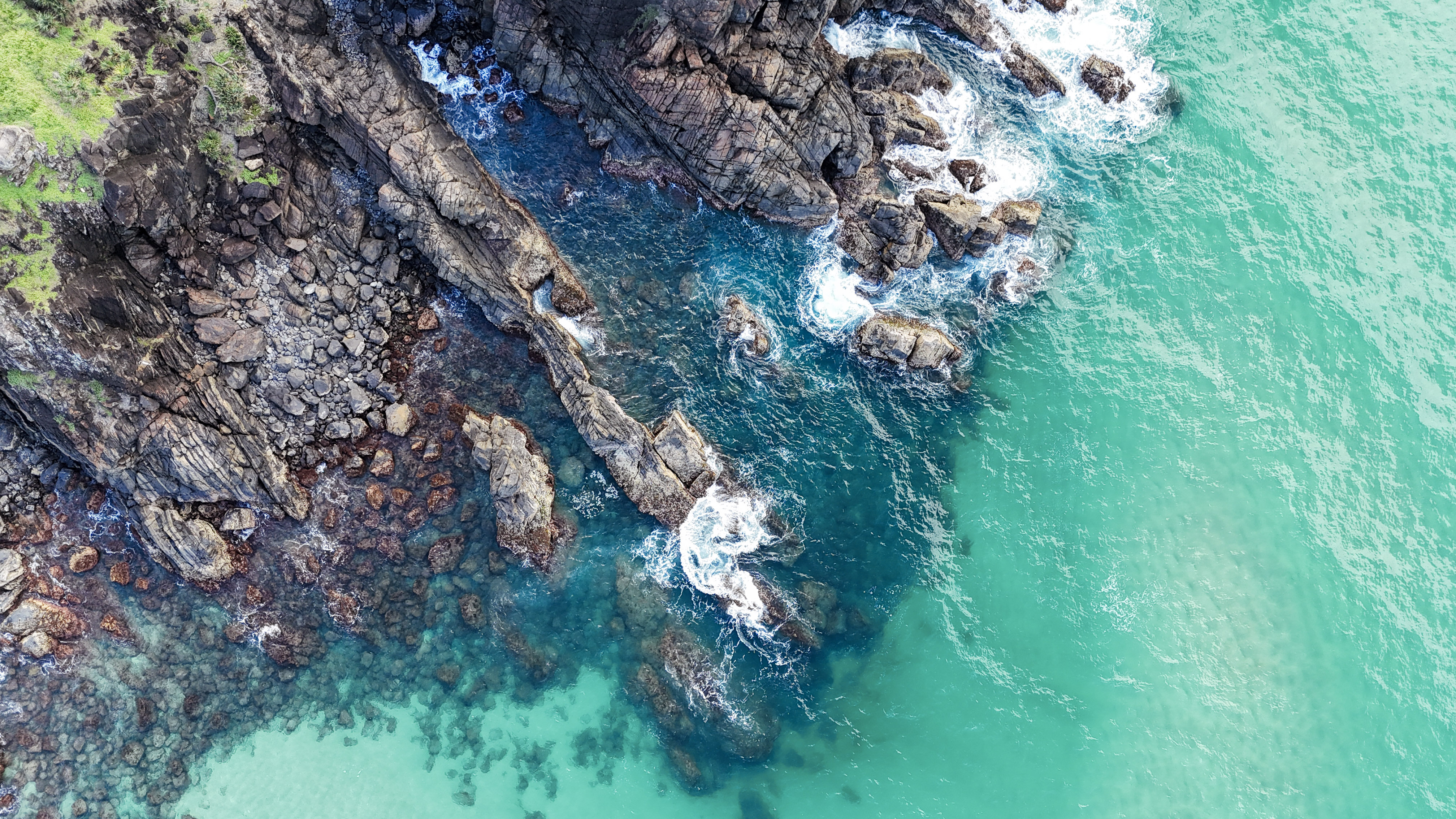
Byron is a town that learned to live on two clocks. One is tourism — expensive, loud, fleeting. The other is the tide, which is unimpressed.
We stayed for the second. We shot from the rock at five in the morning, waited for the light to do its thing, let the wind decide the framing. I went back to Norries Headland a few times without a camera — just to look.
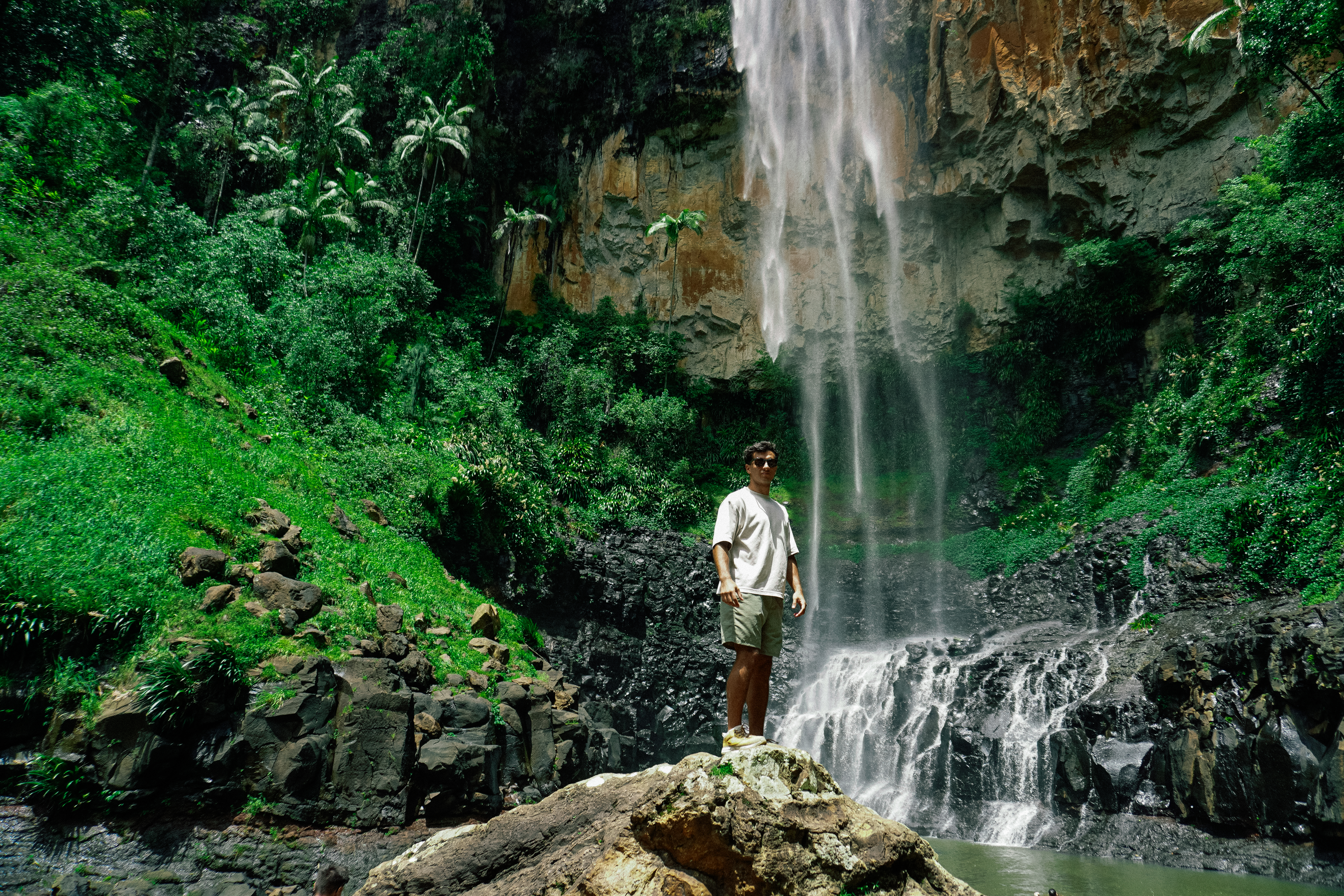
One afternoon we drove up to Springbrook. The forest in there breathes differently — as if the outside world were a distant rumour. It is hard to describe what happens inside a rainforest when you do not speak. Well: nothing happens. And that is exactly what happens.
«The coast is patience dressed up as scenery.»
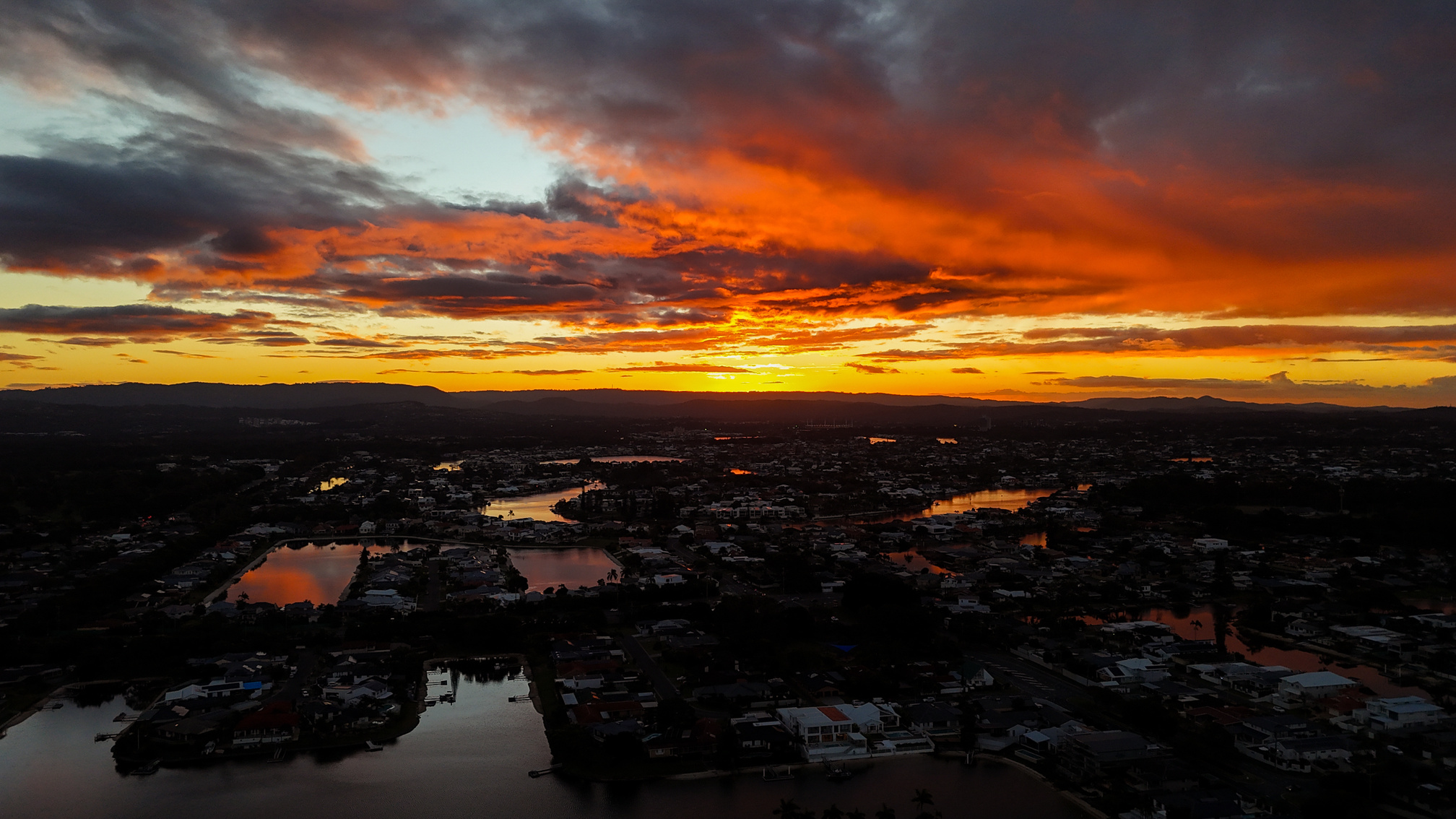
We came down to Sydney without much enthusiasm and ended up liking it for the wrong reasons. Not the postcard — the bridge, the opera — but the back neighbourhoods, where the city forgets itself a little.
We shot most of it on foot. It is strange: after three months in a three-tonne truck, blocks feel enormous.
Sydney was the first city in a long time where we needed to switch the camera off. Some places do not let themselves be filmed — or they get filmed worse when you try. There, the only thing worth doing was walking.
«Some cities watch you. This one you have to let watch you first.»
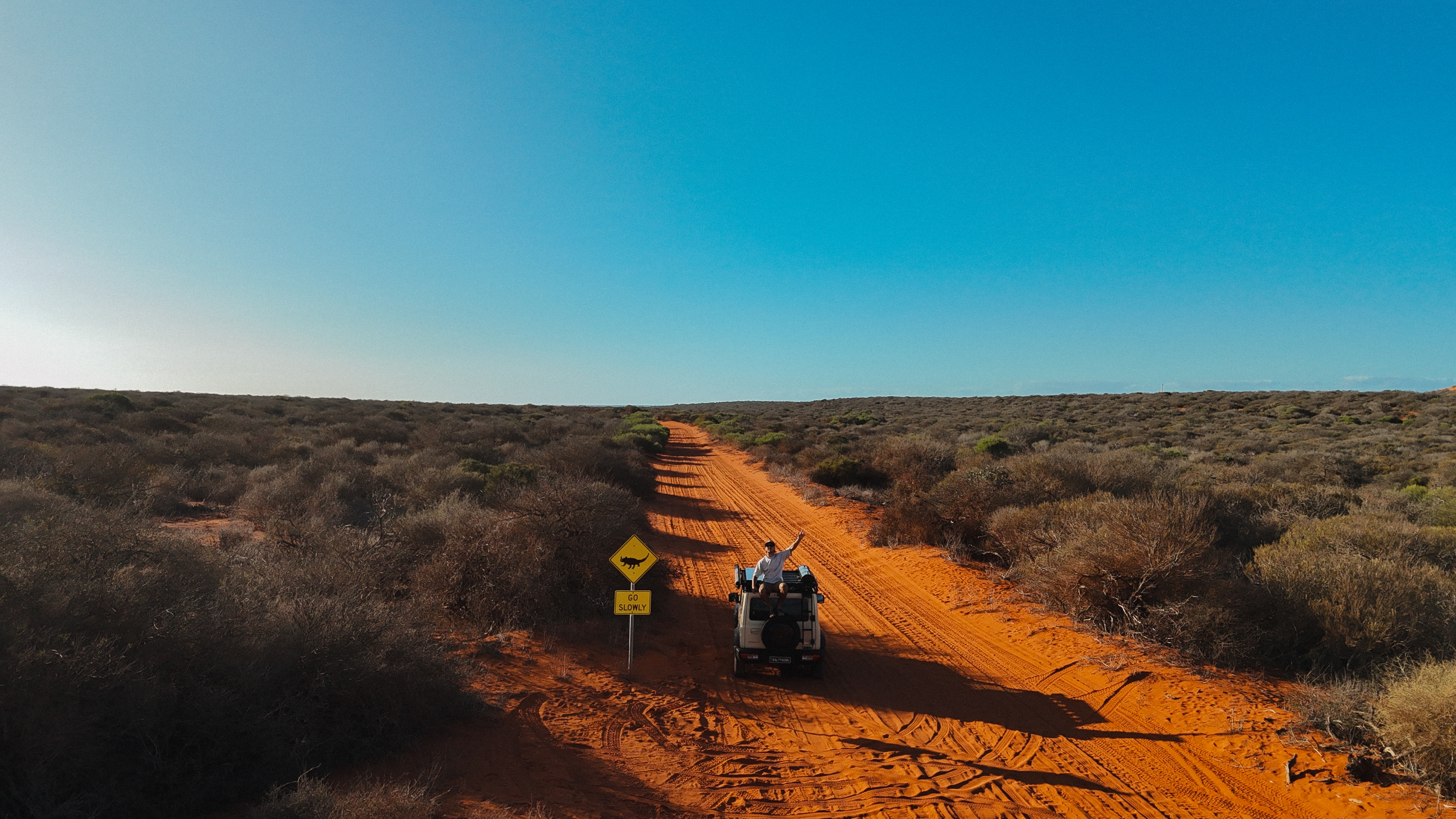
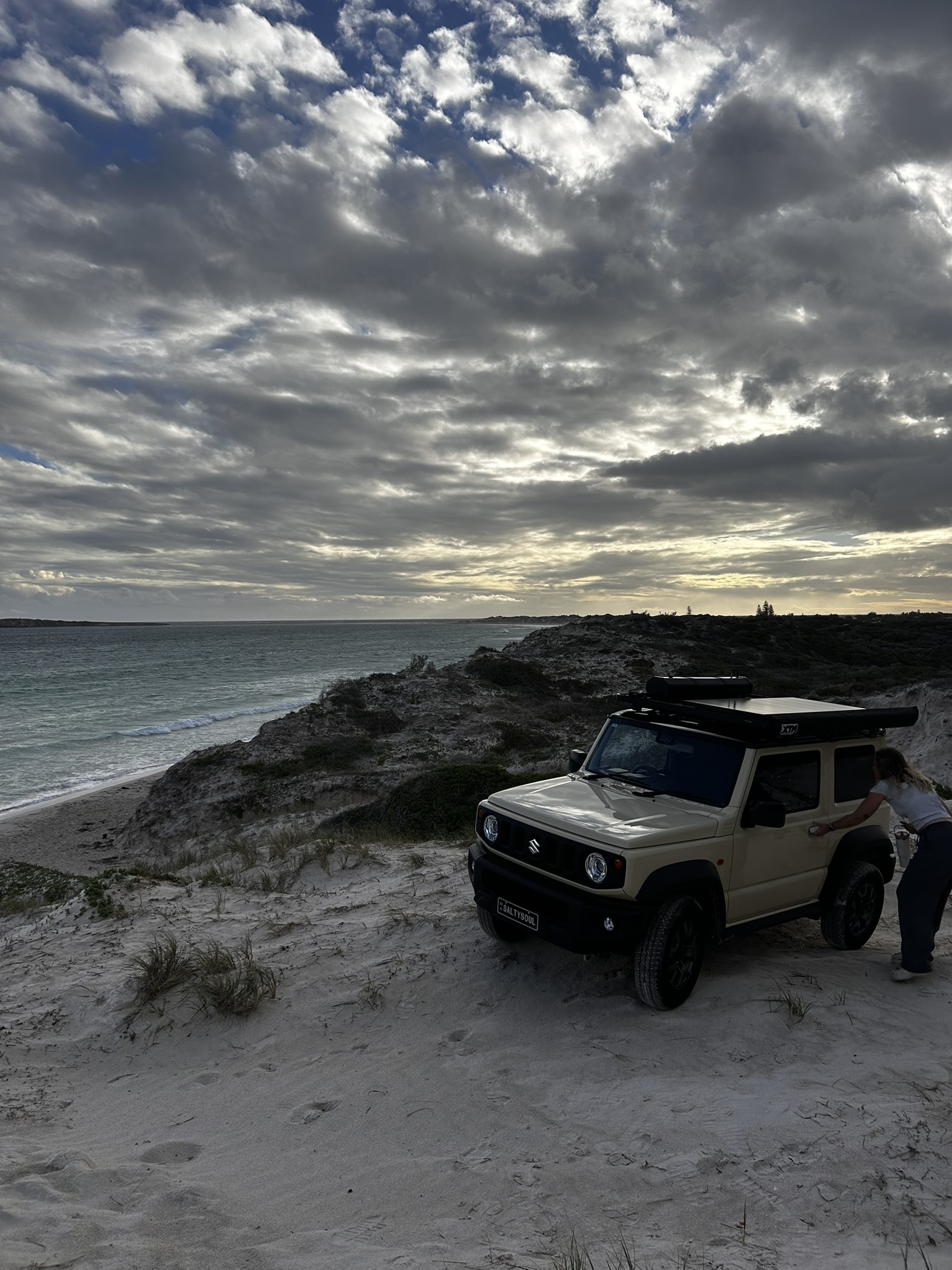
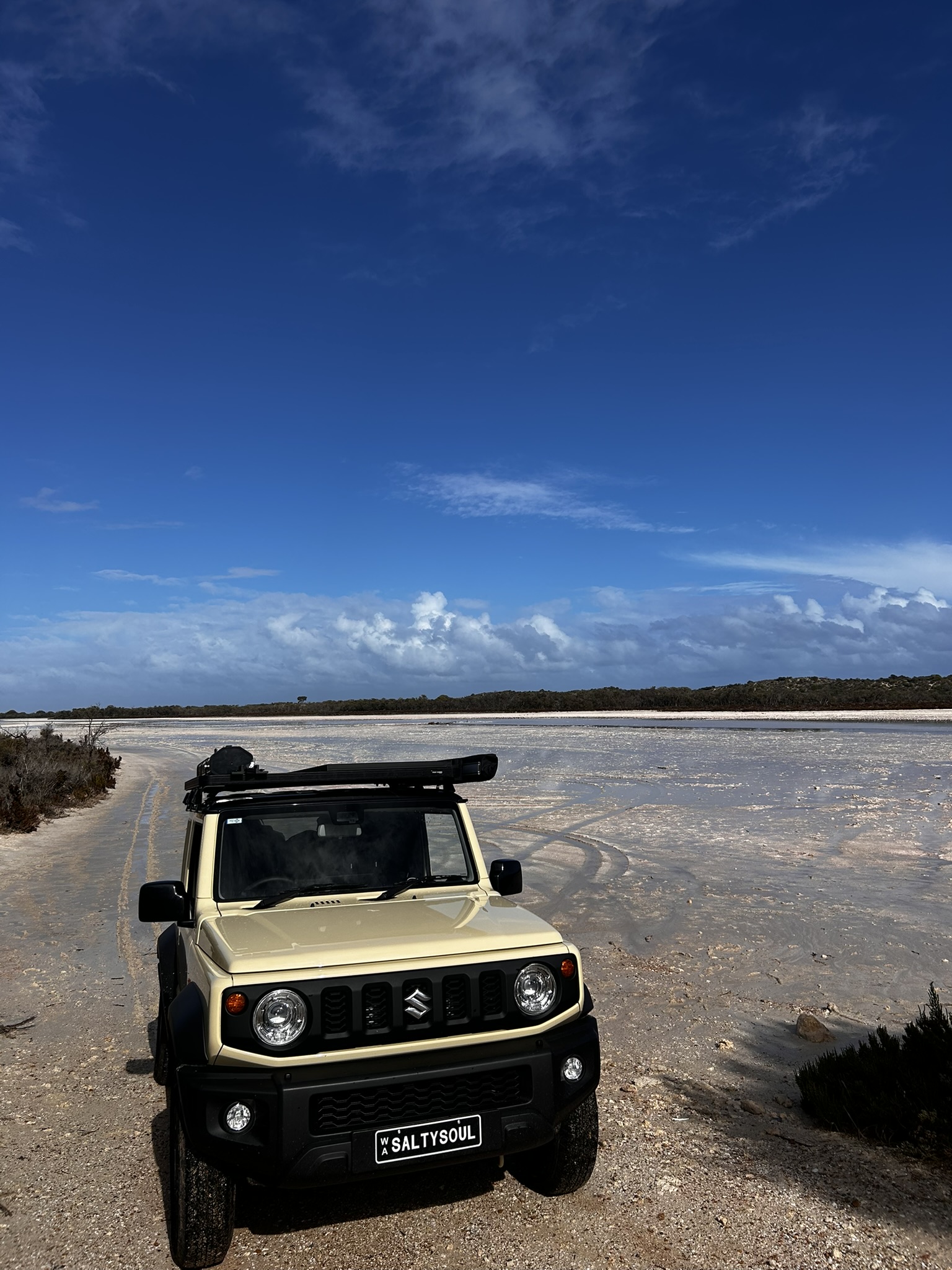
We swapped the Land Cruiser for the Jimny — which we ended up calling Salty Soul — and crossed the continent. Four days of driving, two stops worth the wait, and a sky that never ends.
The west is another Australia. Red earth, white salt, turquoise coast, and between each of those, distance. Hundreds of kilometres where nothing happens — which is exactly what we came looking for.
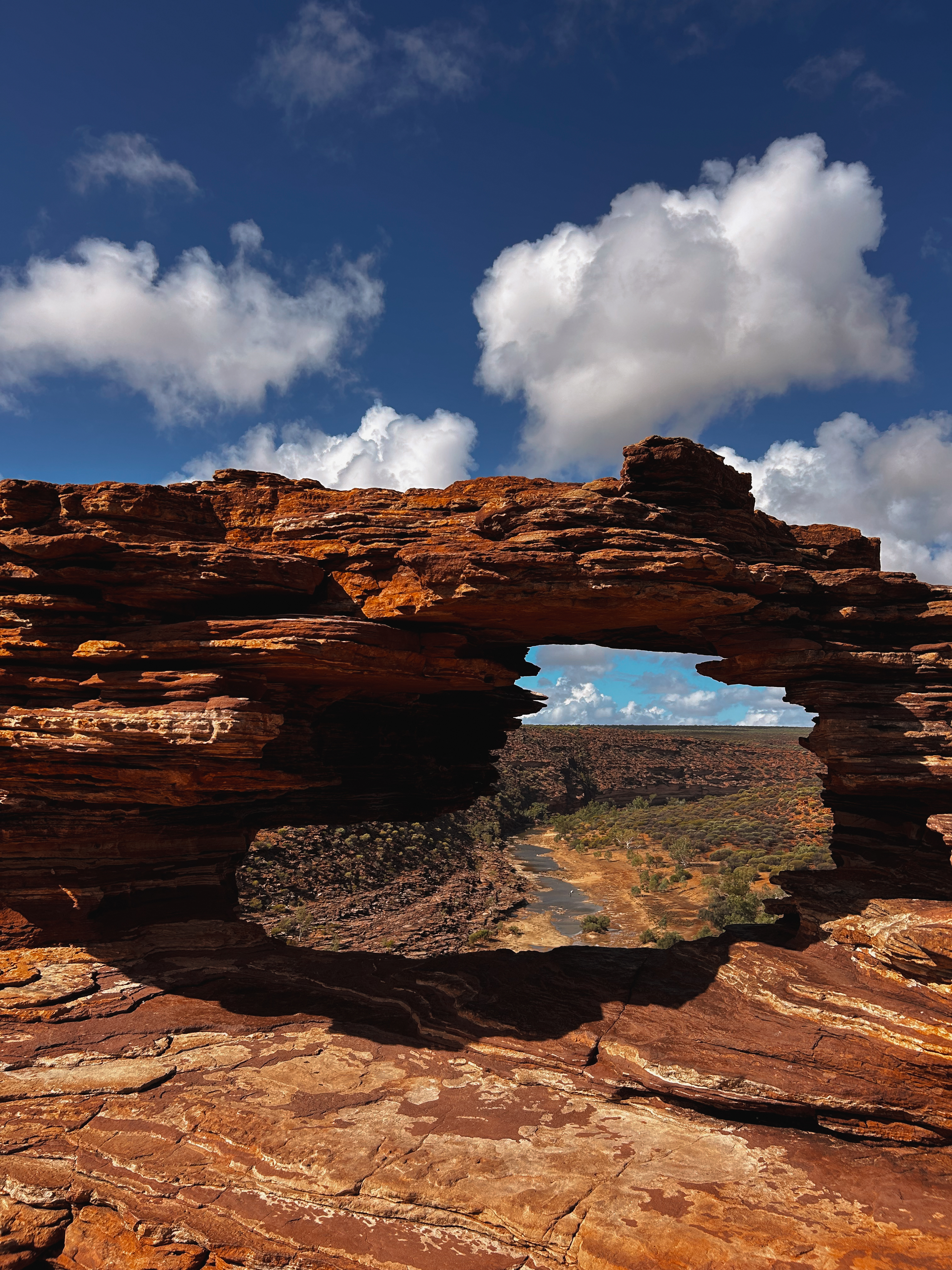
In Kalbarri we shot Nature's Window with the wind at 41 km/h and the camera shaking. It did not come out the way we wanted. It came out better.
This is what we came here to learn — that the route changes the person driving it, not the other way around.
«When the map runs out, the trip finally begins.»
Field Notebook
Loose fragments. Notes that never became chapters.
- · 01
«Distance erases the noise.»
- · 02
«Every route changes the person driving it.»
- · 03
«The ocean was close for days. Then, suddenly, nothing.»
- · 04
«Filming here is not capturing. It is waiting.»
- · 05
«The red dust gets into everything and stays.»
- · 06
«Silence is a soundtrack too.»
- · 07
«The most useful camera of the day was the one we did not use.»
- · 08
«Some roads do not end — you do.»
- · 09
«What the route leaves is not what you saw. It is how it left you.»
- · 10
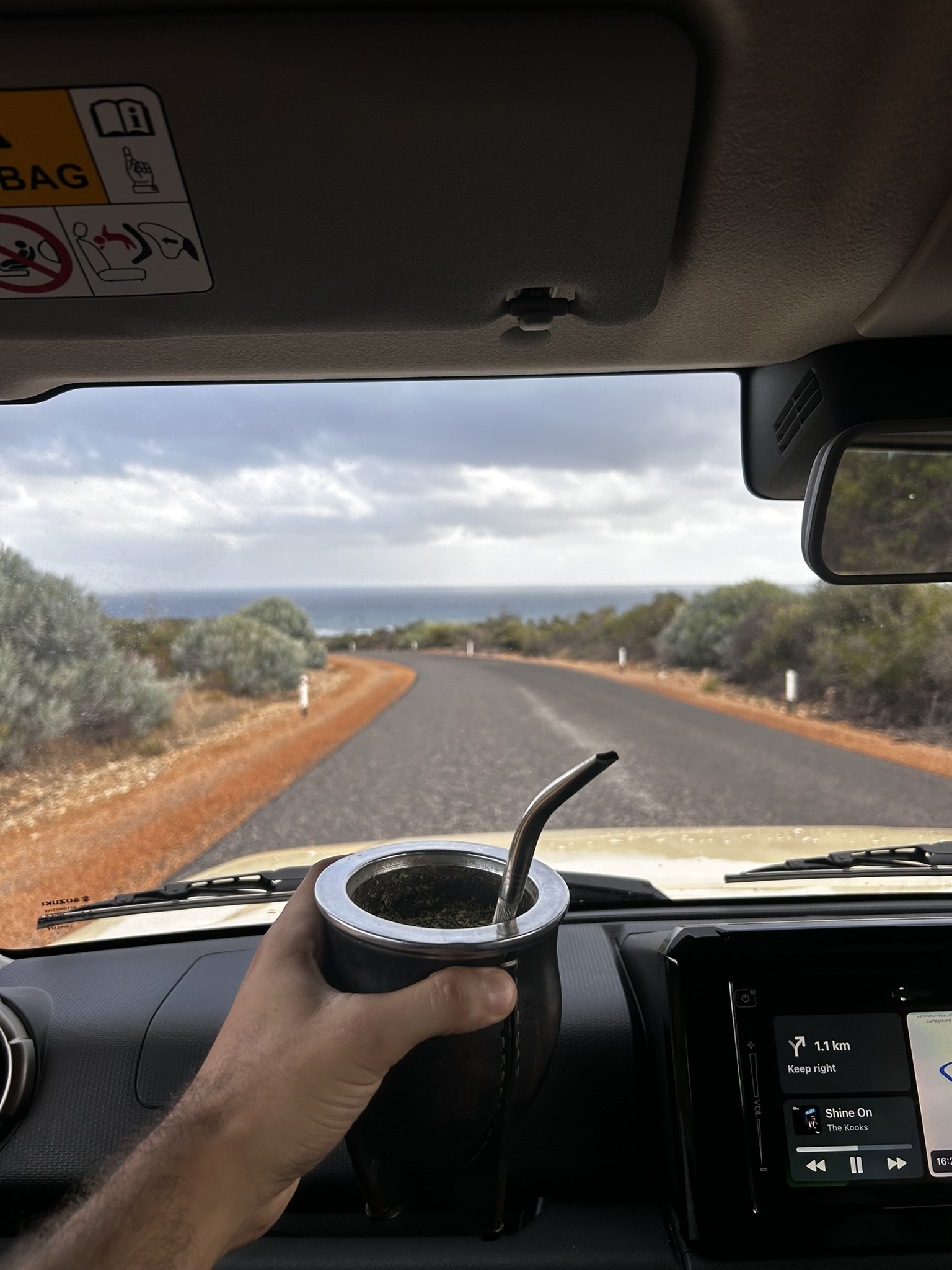
«Mate, the sound of water, GPS with no signal. And that is enough.»
Frames from the Expedition
Twelve frames from the archive — coordinates, weather, author for each.
What the route leaves
is not what you saw — it is how it left you. Australia was that. We came back with more questions than answers, and after five chapters that is already answer enough.
See the route on the Atlas →